Growing herbs indoors is a fantastic way to enjoy fresh, flavorful plants all year round. Whether you have a small apartment or just want fresh herbs within arm’s reach in your kitchen, indoor herbal gardening is easy and rewarding. With the right setup and care, you can grow a thriving mini herb garden right on your windowsill or countertop.
This guide will take you step-by-step through the basics of indoor herbal gardening, including choosing the right herbs, containers, light, soil, watering, and common problems to watch out for.
Why Grow Herbs Indoors?
There are many reasons to start an indoor herb garden:
- Fresh herbs year-round: No need to buy dried or store-bought herbs when you have fresh ones growing indoors.
- Convenience: Snip fresh herbs anytime while cooking or making teas.
- Space-saving: Perfect for small homes or apartments without outdoor gardens.
- Control over growing conditions: Protect plants from pests, harsh weather, or pollution.
- Improves indoor air quality: Some herbs can help purify the air and add pleasant aromas.
- Fun and therapeutic: Gardening is a calming hobby that connects you with nature.
Choosing the Best Herbs for Indoor Gardening
Not all herbs grow equally well indoors. Some herbs are better suited for the indoor environment because they are compact, tolerant of lower light, and fast-growing. Here are some beginner-friendly herbs perfect for indoor gardening:
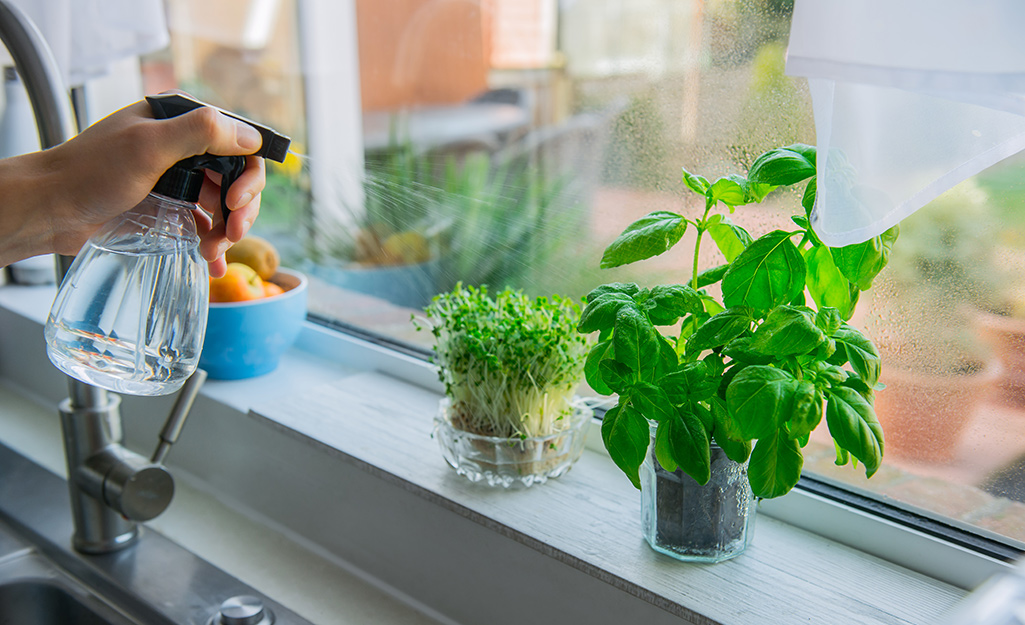
- Basil: Needs good light and warmth, great for cooking.
- Mint: Easy to grow, but can spread quickly, so keep in a separate pot.
- Parsley: Prefers moderate light and consistent moisture.
- Thyme: Small, hardy, loves sunny spots and well-drained soil.
- Chives: Grows well in containers and adds fresh onion flavor.
- Oregano: Requires bright light and well-drained soil.
- Cilantro: Needs cooler temperatures and moderate light.
- Lemon balm: Easy to care for and has a refreshing citrus scent.
Start with 2-3 of these herbs to keep it simple.
Picking the Right Containers
Your choice of containers can affect how well your herbs grow indoors.
- Size: Choose pots at least 4-6 inches deep with enough space for roots to grow.
- Material: Clay pots breathe well and prevent overwatering, but plastic pots retain moisture longer.
- Drainage holes: Essential to prevent waterlogging and root rot.
- Trays or saucers: To catch excess water and protect your furniture.
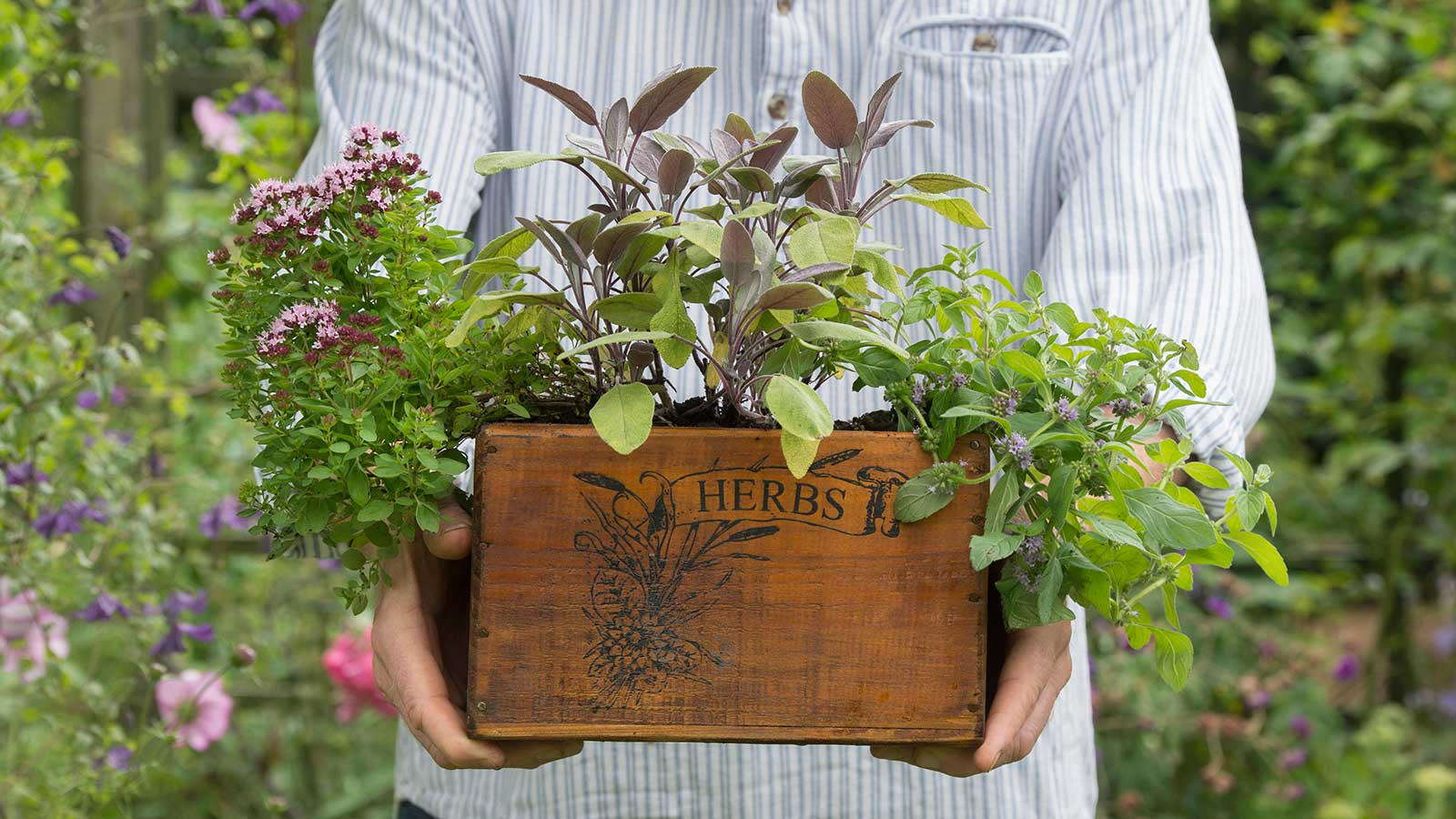
You can use individual pots or try a multi-herb planter box if space is limited.
The Best Soil for Indoor Herbs
Indoor herbs need well-draining, nutrient-rich soil.
- Use a high-quality potting mix designed for indoor plants or herbs. Avoid garden soil, which may be too heavy or contain pests.
- Look for soil with ingredients like peat moss, perlite, or vermiculite to improve aeration and drainage.
- You can also mix your own by combining equal parts of potting soil, compost, and perlite.
Good soil helps keep roots healthy and prevents overwatering issues.
Lighting: The Key to Indoor Herb Success
Most herbs need at least 6 hours of sunlight per day to grow well.
- Place your herb garden near a south-facing window where it can get bright, indirect sunlight.
- If natural light is limited, use grow lights or LED plant lights designed for herbs. Keep the light on for 10-12 hours daily.
- Rotate pots regularly so all sides receive light evenly.
Proper lighting helps herbs stay lush, flavorful, and pest-free.
Watering Indoor Herbs the Right Way
Overwatering is a common mistake in indoor herb gardening.
- Check soil moisture by sticking your finger about 1 inch into the soil. Water only when it feels dry at this depth.
- Water thoroughly until water drains out of the bottom holes, then let the soil dry before watering again.
- Avoid letting plants sit in standing water.
- Herbs like rosemary and thyme prefer slightly drier soil, while parsley and mint enjoy consistent moisture.
Use room temperature water to avoid shocking the roots.
Fertilizing Indoor Herbs
Since herbs grow in limited soil indoors, they need extra nutrients.
- Use a balanced, water-soluble fertilizer every 4-6 weeks during the growing season.
- Organic options like fish emulsion or seaweed extract are gentle and effective.
- Follow package instructions carefully to avoid overfeeding, which can cause weak growth.
Common Problems and How to Fix Them
Indoor herbs can face a few challenges, but most are easy to solve.
1. Yellowing Leaves
Often a sign of overwatering or poor drainage. Check soil moisture and improve drainage if needed.
2. Leggy or Spindly Growth
Herbs stretch when they don’t get enough light. Move plants to a sunnier spot or add grow lights.
3. Pests Like Aphids or Spider Mites
Wipe leaves with soapy water or neem oil spray. Keep plants clean and avoid overcrowding.
4. Mold or Fungus on Soil
Caused by overwatering or poor air circulation. Let soil dry out and improve ventilation.
Harvesting Your Indoor Herbs
Harvest herbs regularly to encourage fresh, bushy growth.
- Pinch off leaves or stems just above a leaf node (where leaves grow).
- Avoid cutting more than one-third of the plant at a time.
- Use harvested herbs fresh or dry them for later use.
Regular harvesting keeps plants healthy and productive.
Creative Ways to Use Your Indoor Herbs
Fresh herbs can enhance your home and kitchen in many ways:
- Add fresh basil or oregano to pasta, salads, and sauces.
- Brew mint or lemon balm tea for relaxation.
- Use chives or parsley to garnish soups and dishes.
- Create homemade herbal oils or vinegar infusions.
- Make small herb bouquets or decorations for your kitchen.
The possibilities are endless!
Final Tips for Successful Indoor Herb Gardening
- Be patient — herbs need time to grow strong indoors.
- Keep a consistent routine for watering and feeding.
- Monitor plants regularly for signs of stress or pests.
- Experiment with different herbs to find your favorites.
- Enjoy the process and the fresh flavors your garden provides.