Herb-infused oils are a wonderful way to capture the healing power and aroma of herbs in a natural, versatile form. These oils can be used for skin care, massage, cooking, or as a base for homemade salves and lotions. Making your own herb-infused oils at home is easy, affordable, and rewarding.
In this blog, you’ll learn what herb-infused oils are, which herbs work best, the methods of making them, safety tips, and some simple recipes to get you started.
What Are Herb-Infused Oils?
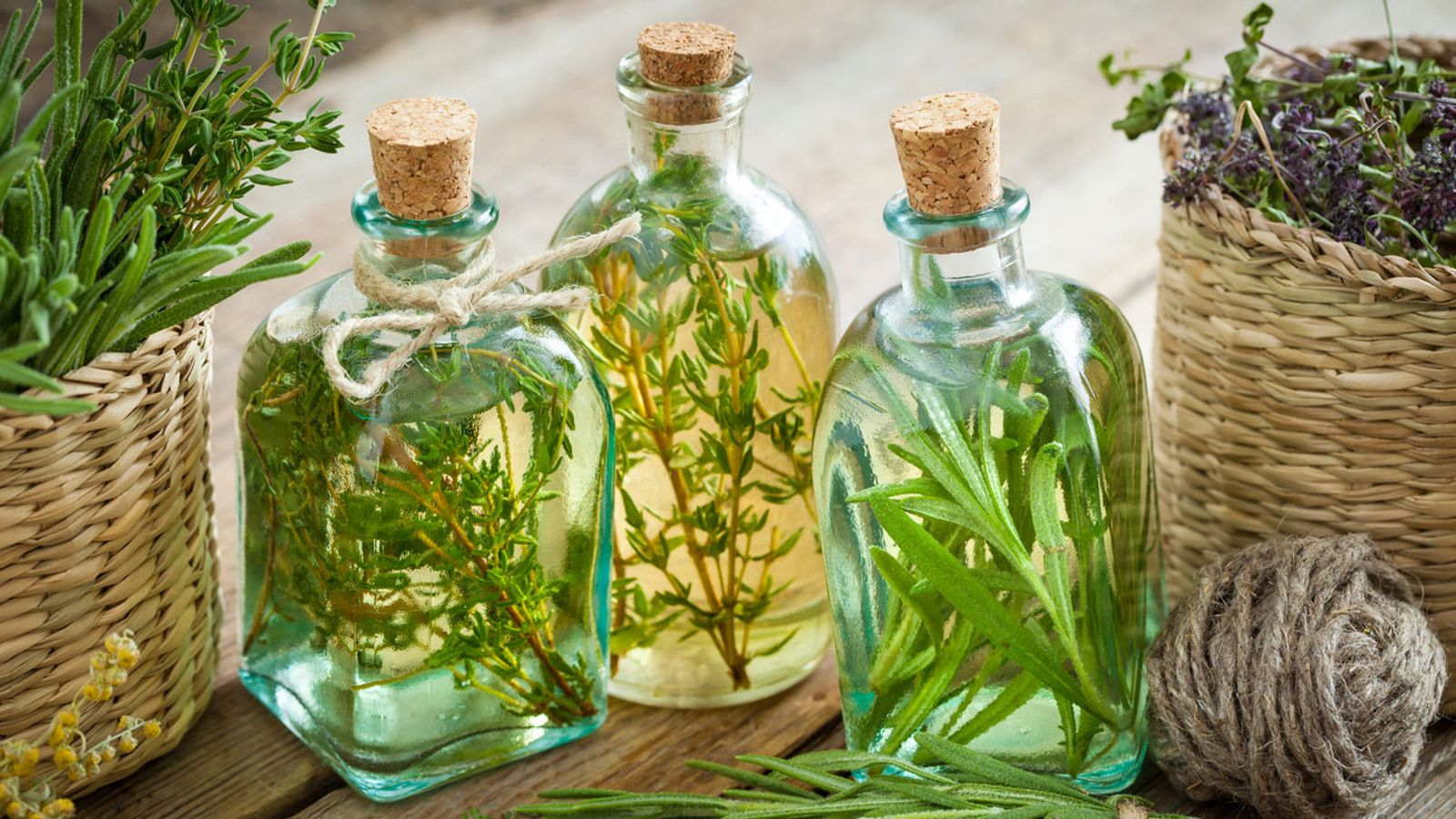
Herb-infused oils are oils that have been soaked or steeped with herbs to extract their beneficial properties, aromas, and flavors. Instead of using essential oils, which are highly concentrated and require careful handling, infused oils provide a gentler way to enjoy herbal benefits.
The base oil absorbs the active compounds from the herbs over time, creating a nourishing product that can be applied directly to the skin or used as an ingredient in other recipes.
Benefits of Using Herb-Infused Oils
Herb-infused oils are versatile and offer many benefits:
- Natural skin care: Many herbs have anti-inflammatory, moisturizing, and healing properties. Infused oils can soothe dry skin, reduce redness, and support wound healing.
- Massage oils: They help relax muscles and calm the mind when used for massage.
- Aromatherapy: The subtle scent of infused oils can uplift your mood or promote relaxation.
- Cooking: Certain herb-infused oils add flavor and nutrition to meals.
- Base for homemade remedies: You can use infused oils to make balms, salves, or lotions tailored to your needs.
Choosing the Right Base Oil
The quality and type of base oil you choose will affect the final infused oil. Here are some popular options:
- Olive oil: A classic choice, rich in antioxidants and great for skin care and cooking.
- Sweet almond oil: Light, non-greasy, and excellent for massage and sensitive skin.
- Jojoba oil: Technically a wax, jojoba is great for all skin types and has a long shelf life.
- Grapeseed oil: Light and fast-absorbing, good for massage oils.
- Sunflower oil: Mild and rich in vitamin E, good for infusions but with a shorter shelf life.
Choose a cold-pressed, unrefined oil if possible, as these retain the most nutrients.
Best Herbs for Infused Oils
Almost any herb can be used to make infused oils, but some herbs are especially popular because of their healing properties:
- Calendula: Excellent for healing cuts, burns, and dry skin.
- Lavender: Soothes inflammation and promotes relaxation.
- Chamomile: Calms irritated skin and reduces redness.
- Rosemary: Stimulates circulation and has an invigorating scent.
- Peppermint: Cooling and refreshing, great for sore muscles.
- Comfrey: Known for skin healing, but should be used externally only.
- St. John’s Wort: Helps with nerve pain and skin conditions.
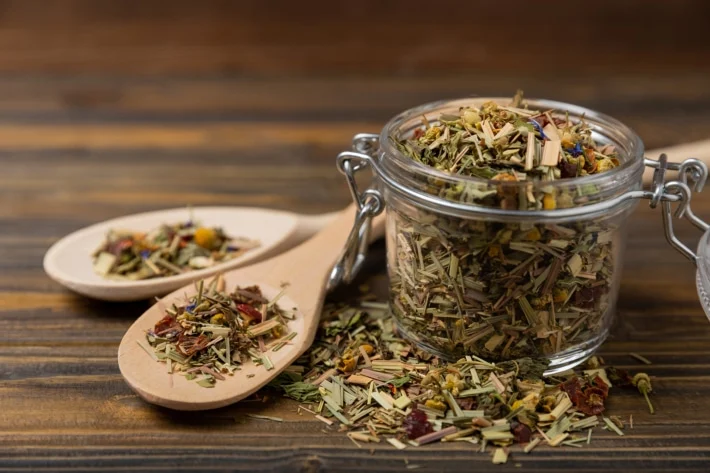
You can use fresh or dried herbs, but dried herbs are often preferred because they contain less moisture, which reduces the risk of mold.
How to Prepare Herbs for Infusion
- Harvest or buy quality herbs: Choose organic or pesticide-free herbs to keep your oils pure.
- Dry fresh herbs if possible: Lay them out in a warm, dry place away from sunlight until they are fully dry but not brittle. This can take a few days.
- Chop herbs coarsely: This increases surface area and helps release the herbs’ beneficial compounds.
If you are using dried herbs, ensure they are clean and free of dust.
Two Common Methods for Making Herb-Infused Oils
1. Cold Infusion Method
This is the gentlest way to make infused oils and preserves delicate herbal properties.
Steps:
- Fill a clean glass jar about halfway with dried herbs.
- Pour your chosen oil over the herbs until completely covered, leaving about an inch of space at the top.
- Seal the jar tightly and place it in a warm, sunny spot (like a windowsill).
- Let the herbs infuse for 4 to 6 weeks, shaking the jar gently every few days to mix the herbs and oil.
- After the infusion period, strain the oil through a fine mesh strainer or cheesecloth into a clean jar or bottle.
- Label the jar with the herb name and date.
The oil can be stored for up to one year in a cool, dark place.
2. Heat Infusion Method
This method is faster and uses gentle heat to speed up the infusion process.
Steps:
- Place dried herbs and oil in a double boiler or slow cooker on the lowest heat setting. Use the same ratio of herbs to oil as in cold infusion.
- Heat the mixture gently for 3 to 6 hours, stirring occasionally. Make sure the oil does not get too hot or boil, as this can damage the herbs.
- Strain the oil through a fine mesh strainer or cheesecloth into a clean container.
- Let the oil cool and store it in a dark, airtight bottle.
Heat infusion produces oil more quickly but may be less gentle on delicate herbs like chamomile or lavender.
How to Use Your Herb-Infused Oils
- For skin care: Apply a few drops to dry or irritated skin as a moisturizer or healing oil.
- Massage: Use as a massage oil to relax muscles and soothe tension.
- Baths: Add a tablespoon to bathwater for a relaxing soak.
- Cooking: Use culinary herb-infused oils like rosemary or garlic oil in dressings or sautés.
- Make products: Use infused oils as a base for homemade balms, salves, or lip balms.
Safety Tips for Making and Using Herb-Infused Oils
- Avoid fresh herbs with moisture: Using fresh herbs that are not fully dried can cause the oil to spoil or develop mold.
- Choose herbs carefully: Some herbs can cause skin irritation or allergic reactions. Test a small amount on your skin before using extensively.
- Label your oils: Always write the herb name and date to keep track of freshness.
- Store properly: Keep infused oils in cool, dark places to extend shelf life and prevent rancidity.
- Avoid internal use unless safe: Most herb-infused oils are for external use only unless you’re sure they are safe to consume.
Simple Herb-Infused Oil Recipes to Try
1. Calendula Healing Oil
Ingredients:
- 1 cup dried calendula flowers
- 2 cups olive oil
Use the cold infusion method. Calendula oil is perfect for soothing dry, cracked skin, minor burns, and cuts.
2. Lavender Relaxing Oil
Ingredients:
- 1 cup dried lavender buds
- 2 cups sweet almond oil
Use the heat infusion method on low heat. Lavender oil is calming for the skin and helps relieve stress when used in massages.
3. Rosemary Stimulating Oil
Ingredients:
- 1 cup dried rosemary leaves
- 2 cups grapeseed oil
Use the cold infusion method. Rosemary oil is great for stimulating circulation and can be used in scalp massages to support hair health.
4. Peppermint Cooling Oil
Ingredients:
- 1 cup dried peppermint leaves
- 2 cups jojoba oil
Use the heat infusion method. Peppermint oil cools and refreshes sore muscles and helps ease headaches when massaged into temples.
Final Thoughts
Making your own herb-infused oils is a beautiful way to connect with nature and create natural remedies tailored just for you. Whether you use oils for skin care, massage, or cooking, the process is simple and satisfying.
Start with easy herbs like calendula or lavender and experiment with new combinations as you gain confidence. Remember to be patient with the infusion time and enjoy the journey of creating your own herbal treasures.
If you want, I can also help you with recipes for herbal salves or lotions using your infused oils. Just let me know!