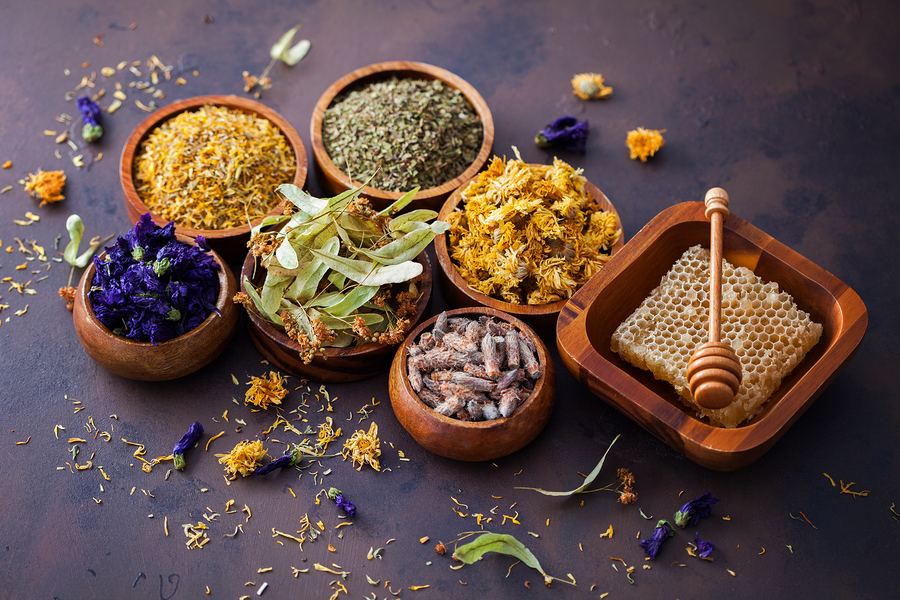
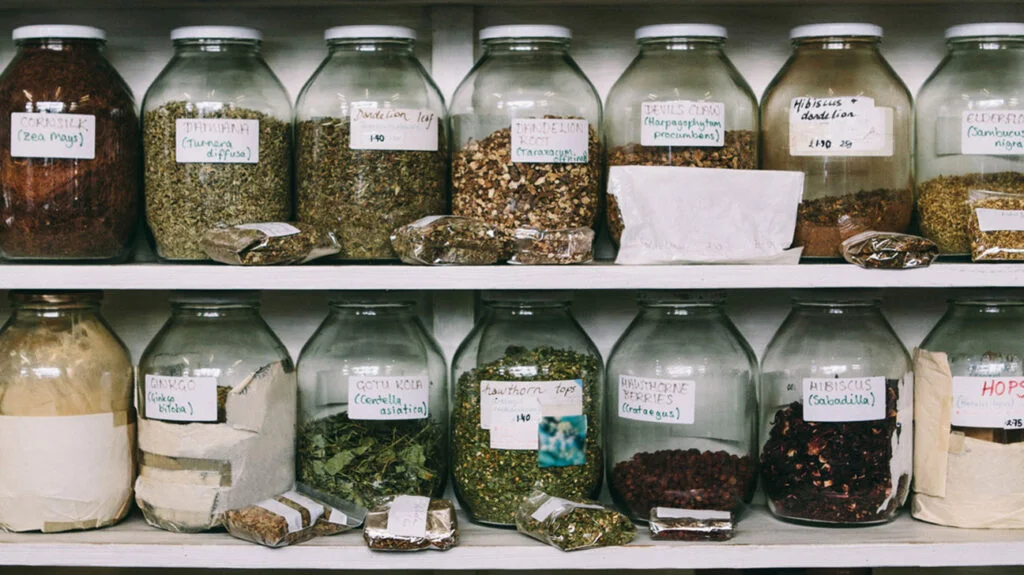
Using plants for healing is an ancient practice that continues to benefit people today. Many of the medicines we use were originally discovered in the leaves, roots, flowers, or bark of plants. But while nature offers many powerful remedies, not all plants are safe to use. Some can cause allergies, stomach upset, or even be toxic if used incorrectly.
Learning how to identify safe medicinal plants is an important skill — whether you’re a gardener, a hiker, or someone interested in herbal healing. In this blog, we’ll guide you through the basic steps of recognizing safe plants, understanding their uses, and avoiding dangerous look-alikes.
Why Plant Identification Matters
Before using any wild or homegrown plant for health, it’s essential to know exactly what it is. Mistaking one plant for another could lead to serious health problems. Some toxic plants look very similar to safe ones. For example, wild parsnip looks like Queen Anne’s lace, and deadly nightshade can be confused with edible berries.
That’s why plant identification isn’t just a hobby — it’s a safety skill.
Step 1: Learn the Basics of Plant Parts
To properly identify a medicinal plant, you need to understand its parts. These include:
- Leaves: Look at their shape, size, edges (smooth or jagged), and how they grow on the stem.
- Stems: Note the texture, color, and if the stem is hollow or solid.
- Flowers: Observe the color, number of petals, and shape.
- Fruits/Seeds: See what the fruit or seed looks like, if it has a smell, or if it’s edible.
- Roots: In some cases, roots can help identify a plant, but digging up plants should be done carefully and only when necessary.
Taking photos or keeping notes in a field journal can help you study and remember plant features.
Step 2: Use Trusted Plant Identification Guides
When you’re starting out, a good plant guidebook is your best friend. Choose a local plant guide that covers your region. It should include:
- Clear photos of the plant at different growth stages
- Detailed descriptions of leaves, flowers, and roots
- Warnings about toxic look-alike plants
- Information on how the plant is used medicinally
There are also helpful apps like PlantNet, iNaturalist, and Seek by iNaturalist. These let you take a photo of a plant and identify it instantly. However, always double-check with a guidebook or expert before using the plant.
Step 3: Learn from Local Experts
The best way to learn about medicinal plants is directly from experienced herbalists, foragers, or Indigenous knowledge keepers. These people often have generations of knowledge passed down and can show you plants in person. Look for:
- Local herbalism classes
- Plant walks in nature centers or community gardens
- Online courses from trusted herbal schools
Learning hands-on with a guide helps build confidence and reduces the risk of mistakes.
Step 4: Study Common Safe Medicinal Plants
Here are a few well-known medicinal plants that are generally safe when used properly. Start by learning to identify these:
1. Chamomile
- Small, daisy-like flowers with a sweet smell
- Used in teas for sleep, digestion, and calming anxiety
2. Peppermint
- Square stem with sharp-smelling, pointed leaves
- Relieves headaches, nausea, and stomach cramps
3. Lemon Balm
- Looks like mint, with a lemony scent when crushed
- Eases stress, supports sleep, and helps digestion
4. Calendula
- Bright orange or yellow flowers
- Used in skin creams and oils to treat cuts, rashes, and inflammation
5. Plantain (Plantago major)
- Broad, oval leaves with visible veins
- Grows in sidewalks and lawns; good for bug bites, cuts, and inflammation
These plants are easy to grow or find in many areas and are a good starting point for new herbal learners.
Step 5: Know the Dangerous Look-Alikes
Some harmful plants closely resemble safe medicinal ones. Here are a few examples:
- Poison Hemlock looks like wild carrot (Queen Anne’s lace)
- Deadly nightshade resembles some edible berry plants
- False dandelion can look like real dandelion, but lacks the same benefits
To avoid confusion:
- Learn both the safe plant and its common look-alikes
- Use multiple features (leaf shape, flower structure, stem type) to make identification
- Never eat a plant unless you are 100% sure of what it is
Step 6: Avoid Using Unknown Wild Plants
If you’re not sure about a plant, don’t use it. Even touching some plants can cause skin irritation or allergic reactions. Examples include poison ivy, giant hogweed, and stinging nettle (though nettle is medicinal when handled properly).
It’s also important to avoid plants growing near roadsides or polluted areas. These plants may have absorbed harmful chemicals, making them unsafe even if they are normally medicinal.
Step 7: Understand Proper Usage
Knowing a plant is safe to identify is only part of the picture. You also need to know how to use it safely, including:
- Correct dosage: Even safe herbs can cause side effects in large amounts
- Best preparation: Some herbs are used as teas, while others need to be made into oils or tinctures
- Parts to use: For example, in some plants the leaves are safe, but the roots are not
Take time to learn about the plant’s proper usage through trusted herbal books or courses. Start with small doses and observe how your body reacts.
Step 8: Practice Sustainable Harvesting
When you do find and use wild medicinal plants, it’s important to harvest responsibly. Follow these rules:
- Take only what you need
- Never harvest rare or endangered species
- Leave enough of the plant so it can grow back
- Harvest in clean, pesticide-free areas
- Thank the plant and nature for the gift
This respectful approach keeps plants healthy and available for future generations.
Step 9: Keep a Plant Journal
As you begin to identify and learn about medicinal plants, keeping a plant journal is a helpful habit. In your journal, you can record:
- Names of the plants you find
- Where and when you found them
- Photos or drawings
- Notes about their medicinal uses
- How your body responded when you tried them
Over time, this journal becomes a personal guide to your plant knowledge.
Final Thoughts
The healing power of plants is real — but so is the need for caution. Learning how to identify safe medicinal plants takes time, patience, and respect for nature. Start with common, well-known herbs. Use good guidebooks and ask for help from experts when you’re unsure. Never take risks with unknown plants, and always harvest responsibly.
When you build your knowledge slowly and carefully, the world of herbal healing opens up in safe and beautiful ways. Nature has provided us with the tools we need — all we have to do is learn how to use them wisely.