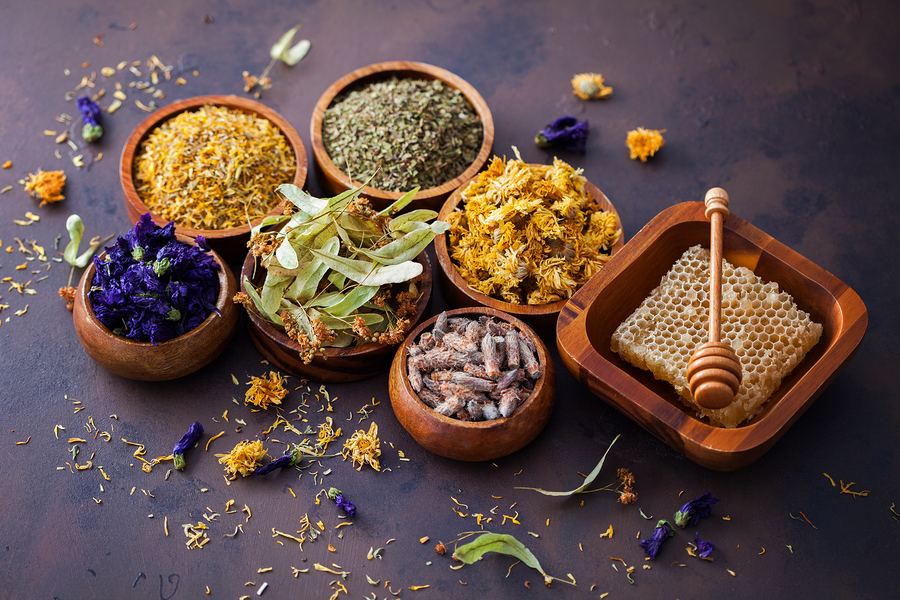
Nature has always been our first source of healing. Long before modern medicine, people turned to native plants to treat illness, wounds, and everyday discomforts. These plants, found growing naturally in the local environment, offer powerful healing properties. In recent years, more people have begun to rediscover the value of native plants in supporting health and wellness. In this blog, we’ll explore how native plants work, examples from around the world, and how you can safely use them.
What Are Native Plants?
Native plants are species that naturally grow in a specific region, climate, or ecosystem without human intervention. They have adapted to local weather, soil, and wildlife over thousands of years. Because of this deep connection with their environment, native plants often develop strong resistance to pests and diseases — and many contain healing compounds that can be used for natural remedies.
Unlike imported or exotic plants, native species are better suited to local conditions and often offer more sustainable health solutions.
Why Native Plants Are Important for Healing
Native plants have been used in traditional medicine for generations. Many Indigenous and local communities passed down this knowledge through stories, rituals, and daily use. These plants can:
- Support the immune system
- Reduce inflammation
- Ease pain
- Improve digestion
- Fight infections
- Help with stress, anxiety, and sleep
What makes native plants especially valuable is that they are often readily available and sustainable. Since they grow naturally in the area, they don’t require heavy watering, fertilizers, or chemicals to survive.
Native Healing Plants Around the World
Let’s take a look at some powerful native plants from different parts of the world and what they are used for:
1. Echinacea (North America)
Echinacea, also known as purple coneflower, is a native North American plant used by many Native American tribes. It is best known for its immune-boosting properties. People often take it to prevent or reduce the symptoms of colds and flu. It also has antibacterial and antiviral qualities.
You can find Echinacea in teas, capsules, and tinctures. It works best when taken at the first sign of illness.
2. Neem (India)
Neem is a native tree in India known for its strong medicinal properties. Every part of the tree — leaves, bark, seeds — is used in Ayurvedic medicine. Neem has antifungal, antibacterial, and anti-inflammatory benefits. It’s often used for skin conditions like acne, rashes, and infections.
Neem oil is also a natural insect repellent and helps with dandruff and scalp health.
3. Mānuka (New Zealand)
Mānuka is a flowering plant native to New Zealand. It is best known for producing mānuka honey, which has strong antibacterial properties. This honey is used to heal wounds, soothe sore throats, and support gut health. Mānuka leaves were traditionally used by the Māori people in teas and steam baths to ease colds and respiratory issues.
4. Yarrow (Europe and North America)
Yarrow grows widely across Europe and North America. It has been used for centuries to stop bleeding, heal wounds, and reduce fevers. Soldiers in ancient times carried it into battle to treat injuries. You can apply it as a poultice or drink it as a tea to ease digestion and reduce inflammation.
5. Devil’s Claw (Southern Africa)
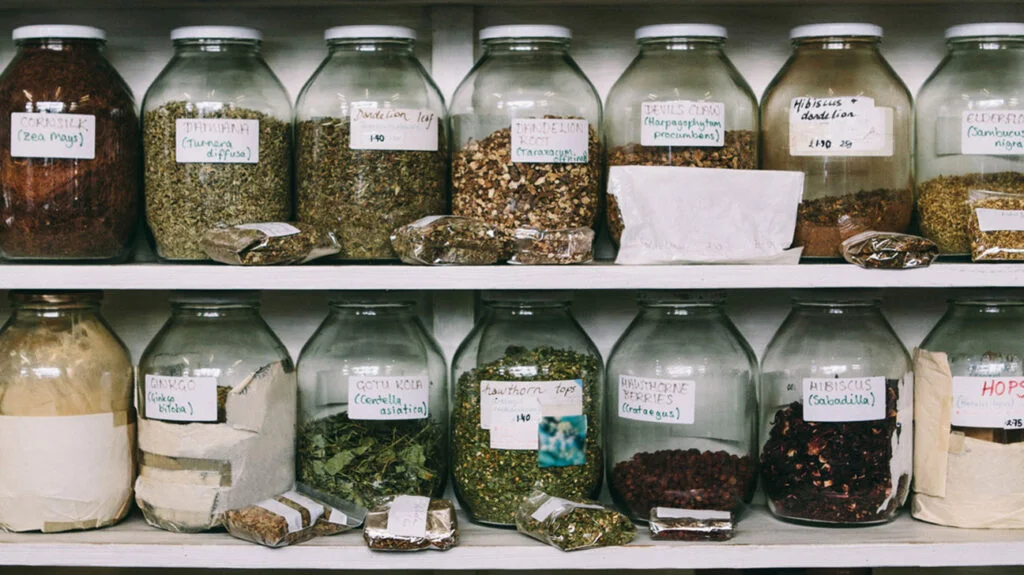
Native to South Africa and Namibia, Devil’s Claw is used to treat joint pain, arthritis, and inflammation. It has a bitter taste but is often made into capsules or extracts. The root of the plant contains strong anti-inflammatory compounds that make it useful for chronic pain.
6. Guayusa (Amazon Rainforest)
Guayusa is a native plant of the Amazon, used by Indigenous tribes as a morning tea. It contains natural caffeine, antioxidants, and amino acids. Unlike coffee, it gives a steady energy boost without a crash and is believed to support mental focus and immune function.
How to Use Native Plants Safely
Using native plants for healing can be helpful, but it’s important to do so with care. Here are a few tips to make sure you’re using them safely:
1. Learn from Trusted Sources
Always research a plant before using it. Look for trusted books, websites, or speak to a local herbalist or healer. Indigenous knowledge is very valuable, but it should be respected and used with permission when appropriate.
2. Start Small
If you are trying a new plant, start with a small amount to see how your body reacts. Everyone is different, and some herbs may cause allergies or side effects.
3. Know What Part to Use
Some plants have healing properties in their leaves, while others are more powerful in their roots or flowers. Make sure you’re using the right part of the plant.
4. Avoid Over-Harvesting
When harvesting native plants from the wild, be careful not to take too much. Over-harvesting can damage ecosystems and cause rare plants to disappear. If possible, grow them at home or buy from ethical sources.
5. Check for Drug Interactions
If you’re taking prescription medicine, check with your doctor before using herbal remedies. Some herbs can interact with medications and cause problems.
The Role of Indigenous Knowledge
Indigenous communities have deep knowledge about native plants and their healing powers. This knowledge has been passed down for thousands of years through practice and experience. It is important to respect and protect this wisdom.
Many modern scientists and herbalists are now working with Indigenous healers to better understand native plants. This partnership can help protect traditional knowledge and make natural remedies available to more people — in ethical and respectful ways.
Growing Native Healing Plants at Home
One of the best ways to connect with native plants is by growing them yourself. A small herb garden can provide fresh remedies right from your backyard or balcony. Here are a few beginner-friendly native plants to grow, depending on your region:
- North America: Echinacea, Yarrow, Lemon Balm
- Europe: Chamomile, Nettle, Valerian
- South Asia: Tulsi (Holy Basil), Neem
- Africa: Aloe Vera, Hibiscus, Devil’s Claw
- Australia: Tea Tree, Lemon Myrtle
- South America: Guayusa, Cat’s Claw
Start with a few plants and learn how to care for them. This not only gives you access to natural healing tools, but also strengthens your relationship with nature.
Final Thoughts
The healing power of native plants is real and deeply rooted in tradition, nature, and science. From boosting the immune system to calming the mind, these plants offer natural solutions to many of today’s health challenges. As we move forward, combining traditional knowledge with modern research can help us live healthier, more balanced lives — while also protecting the plants and people that have cared for this wisdom for generations.
So next time you’re feeling unwell or just need a little support, consider turning to a native plant. You may be surprised at how powerful nature’s medicine can be.