Herbal teas have been enjoyed for centuries, not just for their comforting flavors but also for their health benefits. Making your own herbal tea blends at home is simple, fun, and allows you to tailor each cup to your personal taste and wellness needs. Whether you want to relax, boost immunity, or digest better, there’s a herbal tea blend waiting for you.
In this blog, you’ll learn how to create easy, effective herbal tea blends using common herbs. We’ll cover the benefits of each ingredient, how to prepare the blends, and some handy tips to make the perfect cup of tea every time.
Why Make Your Own Herbal Tea Blends?
Making your own tea blends gives you full control over the ingredients and their quality. You avoid added sugars, artificial flavors, and preservatives often found in store-bought teas. Plus, blending herbs lets you customize teas for different needs like relaxation, digestion, or energy.
It’s also a fun and creative way to connect with nature and explore different flavors.
Basic Tools and Ingredients You Need
Before starting, here’s a quick list of what you need:
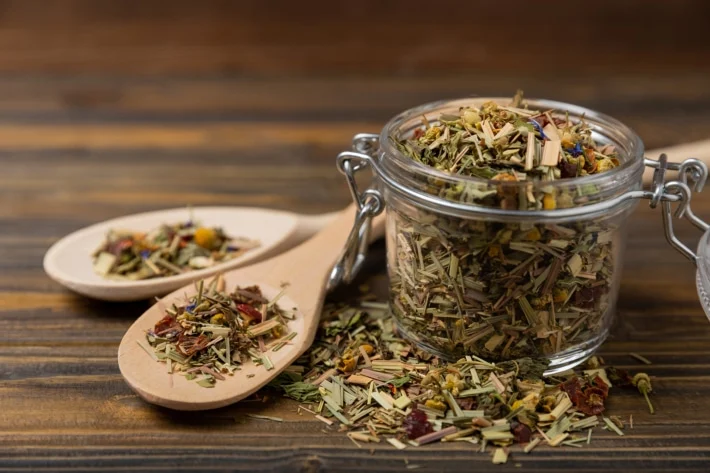
- Dried herbs: You can buy dried herbs from health stores or dry your own fresh herbs at home
- Mixing bowl: For combining herbs
- Storage container: Airtight jars or tins to keep your tea fresh
- Measuring spoons: To get the right proportions
- Tea infuser or strainer: For brewing loose leaf tea
You don’t need fancy equipment — just these basics to get started.
Common Herbs for Herbal Tea Blends
Here are some popular herbs used in herbal teas, along with their benefits:
- Chamomile: Calms the mind, helps with sleep and digestion
- Peppermint: Refreshes and soothes the stomach
- Lemon Balm: Reduces anxiety, supports digestion
- Lavender: Relaxes and relieves stress
- Ginger: Warms the body and eases nausea
- Rose Hips: Rich in vitamin C, boosts immunity
- Hibiscus: Tart, high in antioxidants, supports heart health
- Lemongrass: Refreshing, aids digestion, and detoxifies
- Holy Basil (Tulsi): Balances stress and supports respiratory health
You can mix and match these herbs based on your preference.
How to Create Your Own Herbal Tea Blend
Step 1: Choose Your Base Herb
Start with a base herb that will make up about 50% of your blend. This could be chamomile, peppermint, or lemon balm — herbs that brew well and taste pleasant on their own.
Step 2: Add Supporting Herbs
Add 30% of supporting herbs that complement the base herb and add specific benefits. For example, if your base is chamomile for relaxation, add lavender or lemon balm.
Step 3: Add Flavor Boosters or Enhancers
Add 10-20% of flavor boosters like rose hips, hibiscus, or dried ginger. These add taste and extra health benefits.
Step 4: Mix and Store
Combine the herbs in a clean bowl, mix well, and store in an airtight container. Label your blend with the date and ingredients.
DIY Herbal Tea Blend Recipes
Here are some simple blends you can make today.
1. Relax & Unwind Blend
Perfect for evening relaxation and better sleep.
- 2 tablespoons chamomile
- 1 tablespoon lavender
- 1 tablespoon lemon balm
- 1 teaspoon rose hips
Brew 1 tablespoon of the blend in hot water for 5–7 minutes. Sip before bed to calm your mind and body.
2. Digestive Ease Blend
Helps soothe digestion and relieve bloating.
- 2 tablespoons peppermint
- 1 tablespoon ginger root (dried or fresh slices)
- 1 tablespoon lemon balm
- 1 teaspoon fennel seeds
Brew 1 tablespoon in hot water for 5 minutes. Drink after meals to aid digestion.
3. Immune Boost Blend
Supports your immune system, especially during cold season.
- 2 tablespoons hibiscus
- 1 tablespoon rose hips
- 1 tablespoon elderflower
- 1 teaspoon ginger root
Brew 1 tablespoon in boiling water for 7 minutes. Enjoy warm to help fight off infections.
4. Energy & Focus Blend
A gentle, natural way to boost energy without caffeine jitters.
- 2 tablespoons holy basil (tulsi)
- 1 tablespoon peppermint
- 1 tablespoon lemon balm
- 1 teaspoon dried ginseng or rosemary (optional)
Brew 1 tablespoon in hot water for 5 minutes. Drink in the morning or early afternoon.
5. Refreshing Citrus Blend
Light and zesty, perfect for hot days.
- 2 tablespoons lemongrass
- 1 tablespoon dried orange peel
- 1 tablespoon lemon balm
- 1 teaspoon hibiscus
Brew in hot water for 5 minutes, or cold brew overnight for iced tea.
Tips for the Perfect Cup of Herbal Tea
- Use fresh, high-quality herbs for the best flavor and health benefits.
- Water temperature: Herbal teas usually need boiling water (around 212°F or 100°C) to extract flavors and compounds.
- Steep time: Most herbal teas brew well between 5–10 minutes. Longer steeping can make some herbs bitter.
- Cover while steeping: This keeps essential oils from escaping with the steam.
- Taste as you go: Adjust the blend and steep time to find what you like best.
- Add natural sweeteners like honey, maple syrup, or stevia if desired.
How to Dry Your Own Herbs for Tea
If you have a garden or access to fresh herbs, drying your own herbs is easy and saves money. Here’s how:
- Harvest herbs in the morning after the dew dries for the best flavor.
- Rinse gently and pat dry.
- Bundle small bunches with string and hang upside down in a dry, dark, and well-ventilated space.
- Herbs are ready when leaves crumble easily (usually 1-2 weeks).
- Remove leaves from stems and store in airtight containers away from light and heat.
You can also dry herbs in an oven on low heat or use a food dehydrator.
Storing Your Herbal Tea Blends
Proper storage keeps your herbal tea blends fresh and full of flavor:
- Use airtight glass jars or tins with a tight seal.
- Store in a cool, dark place away from sunlight and heat.
- Label jars with the date and ingredients.
- Herbal teas are best used within 6 months to 1 year for maximum freshness.
Final Thoughts
Making your own herbal tea blends is a wonderful way to support your health naturally while enjoying delicious flavors. Whether you’re sipping chamomile to relax or a zesty citrus blend on a hot day, these teas bring comfort and wellness in every cup.
Start with a few simple blends and experiment to find your favorites. With just a handful of dried herbs and a bit of creativity, you can enjoy fresh, healing teas anytime.