Growing herbs at home is a rewarding and enjoyable experience. Fresh herbs add flavor to your cooking, and many have medicinal and aromatic benefits as well. But to grow healthy, thriving herbal plants, one of the most important factors is the soil you use.
The right soil provides herbs with the nutrients, drainage, and support they need to grow strong. In this blog, we will explore what makes soil ideal for herbs, how to prepare it, and some tips to keep your herbal garden flourishing all year round.
Why Soil Quality Matters for Herbs
Herbs are generally hardy plants, but they still rely heavily on the soil to provide the essentials for growth. Good soil:
- Supplies nutrients: Herbs need nutrients like nitrogen, phosphorus, and potassium to grow leaves, flowers, and roots.
- Allows good drainage: Most herbs dislike soggy soil because too much water can cause root rot and other diseases.
- Maintains proper pH: Soil pH affects nutrient availability. Most herbs prefer slightly acidic to neutral soil.
- Supports roots: Soil structure should allow roots to spread and grow deeply.
Choosing or preparing the right soil is the first step to a healthy herb garden.
What Type of Soil Do Herbs Prefer?
Herbs usually thrive in soil that is:
- Well-drained: Water should pass through the soil easily, preventing waterlogging.
- Loamy: Loam is a balanced mix of sand, silt, and clay. It holds moisture but drains well, offering nutrients and aeration.
- Slightly acidic to neutral pH: Between 6.0 and 7.0 is ideal for most herbs.
- Rich in organic matter: Compost or aged manure adds nutrients and improves soil texture.
Common Soil Types and How They Affect Herbs
Here’s a quick look at soil types and their effects on herb growth:
1. Sandy Soil
- Characteristics: Gritty, drains very fast, dries out quickly.
- Effect on herbs: Good drainage but poor at holding nutrients and moisture. Herbs may need frequent watering and fertilizing.
- Best for: Mediterranean herbs like rosemary, thyme, and lavender that prefer dry, well-drained soil.
2. Clay Soil
- Characteristics: Heavy, sticky, holds water well but drains slowly.
- Effect on herbs: Can cause waterlogging and root rot if not amended. Nutrient-rich but poor aeration.
- Best for: Herbs that tolerate moisture, but usually better to improve clay soil with organic matter.
3. Silty Soil
- Characteristics: Smooth, retains moisture well, but can compact easily.
- Effect on herbs: Good nutrient content but may become waterlogged if not mixed with sand or organic matter.
4. Loamy Soil
- Characteristics: Balanced mix of sand, silt, and clay. Moist but drains well.
- Effect on herbs: Ideal for most herbs, offering nutrients, moisture, and good root support.
How to Prepare the Best Soil for Herbs
If your garden soil isn’t perfect, you can improve it to suit herbs better.
Step 1: Test Your Soil
A simple soil test tells you about pH, nutrient levels, and soil type. You can buy a kit at garden centers or send a sample to a local extension office.
Step 2: Adjust Soil pH if Needed
Most herbs prefer a pH between 6.0 and 7.0. If your soil is too acidic, add lime to raise the pH. If it’s too alkaline, add sulfur or organic matter like pine needles.
Step 3: Add Organic Matter
Mix in compost, aged manure, or leaf mold. This improves fertility, moisture retention, and soil structure.
Step 4: Improve Drainage
If your soil is heavy clay or holds too much water, add coarse sand, perlite, or small gravel to increase drainage.
Step 5: Loosen the Soil
Break up clumps and till the soil to a depth of about 12 inches. Herbs develop strong roots when the soil is loose and easy to grow into.
Choosing the Right Potting Mix for Container Herbs
If you grow herbs in pots or containers, use a quality potting mix rather than garden soil. Potting mixes are lighter, drain better, and often contain added fertilizers.
Look for mixes labeled as:
- Well-draining: Usually contains peat moss, perlite, or vermiculite.
- Lightweight: Allows roots to breathe.
- Nutrient-rich: With some slow-release fertilizer or compost.
You can also create your own potting mix by mixing:
- 2 parts peat moss or coconut coir
- 1 part perlite or coarse sand
- 1 part compost or worm castings
Tips for Maintaining Healthy Soil for Herbs
1. Mulch Around Herbs
A thin layer of organic mulch like straw or shredded leaves helps retain moisture, prevent weeds, and keep soil temperature steady.
2. Avoid Overwatering
Most herbs don’t like wet feet. Water only when the top inch of soil feels dry to the touch.
3. Fertilize Lightly
Herbs don’t need heavy feeding. Use a balanced, slow-release fertilizer or organic compost once or twice during the growing season.
4. Rotate and Rest Soil
If you grow herbs in the same spot every year, rotate with other plants or let the soil rest by planting cover crops to replenish nutrients.
Best Soil for Popular Herbal Plants
Here’s a quick guide to soil preferences for common herbs:
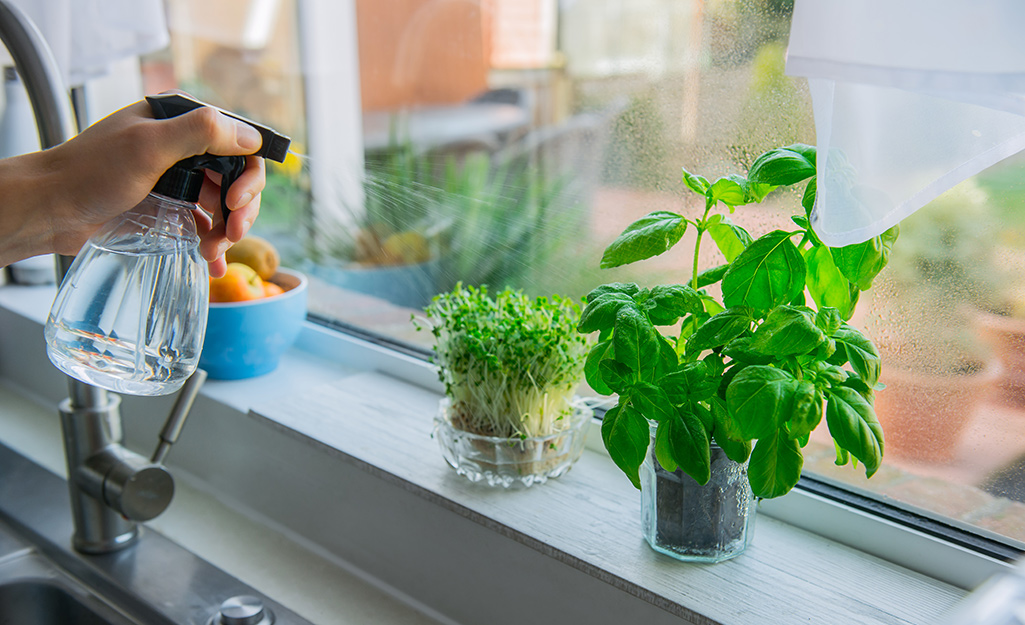
- Basil: Moist, rich, well-draining soil with a slightly acidic to neutral pH.
- Rosemary: Sandy or loamy soil with excellent drainage; dislikes wet soil.
- Thyme: Well-draining, sandy or rocky soil; tolerates poor soil.
- Mint: Rich, moist soil; tolerates less drainage but needs nutrient-rich soil.
- Lavender: Sandy, well-draining soil with neutral to slightly alkaline pH.
- Parsley: Moist, fertile soil; prefers loam with plenty of organic matter.
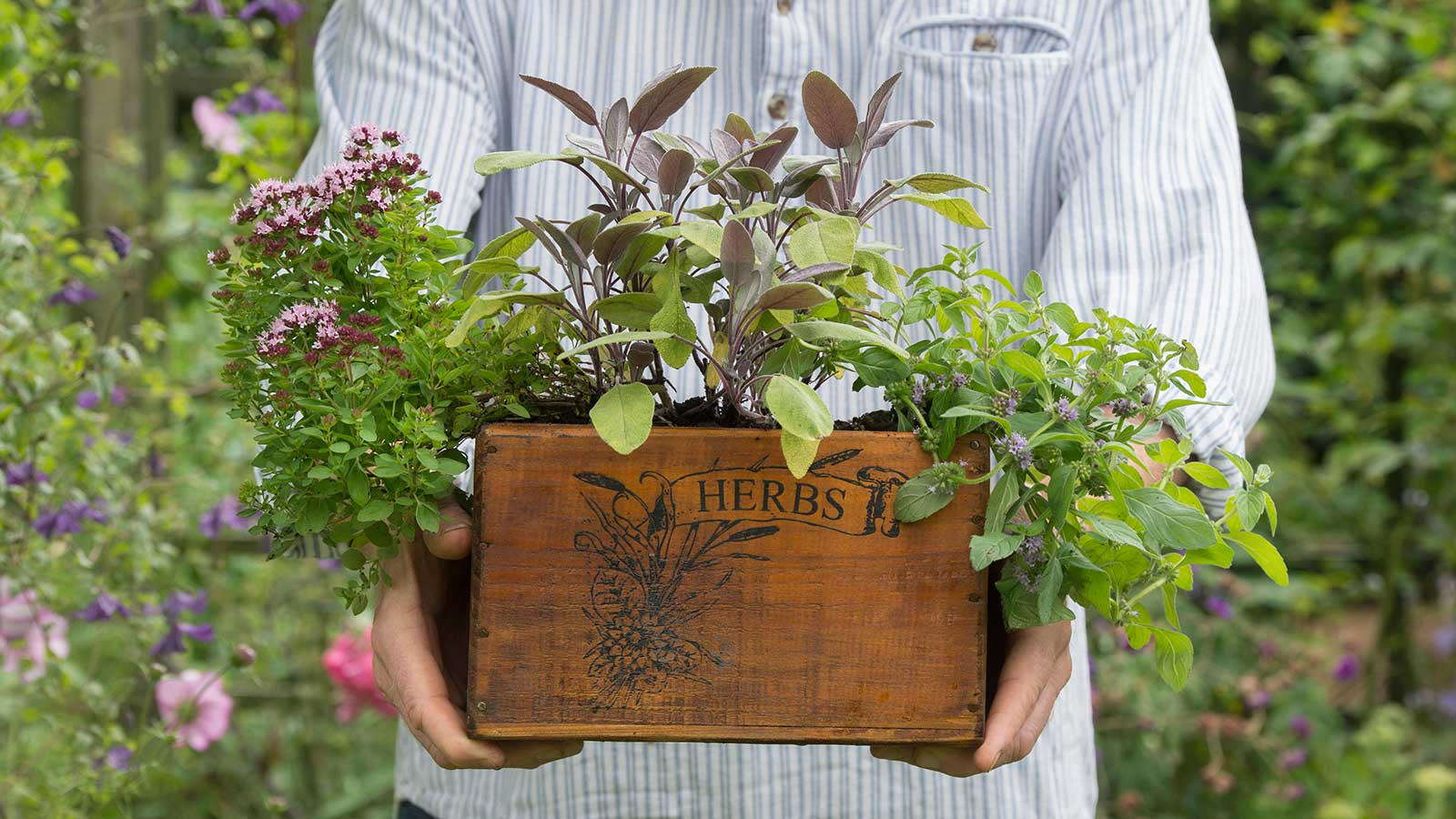
- Oregano: Well-draining, sandy to loamy soil; prefers slightly alkaline pH.
How to Know If Your Herb Soil Is Healthy
Healthy soil supports plants without problems. Signs your soil is good include:
- Herbs growing strong, with vibrant leaves
- Soil smells fresh and earthy, not sour or rotten
- Soil feels loose and crumbly, not compacted or soggy
- Earthworms and beneficial insects present (in garden soil)
If your herbs are wilting, yellowing, or stunted, soil quality may be the issue.
Final Thoughts
The best soil for herbal plants is well-draining, nutrient-rich, and slightly acidic to neutral in pH. Whether you’re planting in the garden or containers, taking time to prepare and maintain quality soil will give your herbs the best chance to grow healthy and fragrant.
Remember, each herb may have slightly different needs, so consider their preferences when preparing soil. With good soil, your herbal garden will thrive and reward you with fresh, flavorful, and healing plants all season long.